New research guide: The Confidence Economy, how AI is changing fashion commerce.
[ INDUSTRIES ]
Elara reads your catalog, so it speaks the language of your category — occasions, silhouettes, sizes, seasons. Nine categories, one widget.

01
Women’s fashion
Every occasion, answered with a complete look.
Explore →
industry-mens-fashion.png
02
Men’s fashion
The rest of the outfit, built around his piece.
Explore →

03
Luxury fashion
Clienteling for every visitor, in your tone.
Explore →
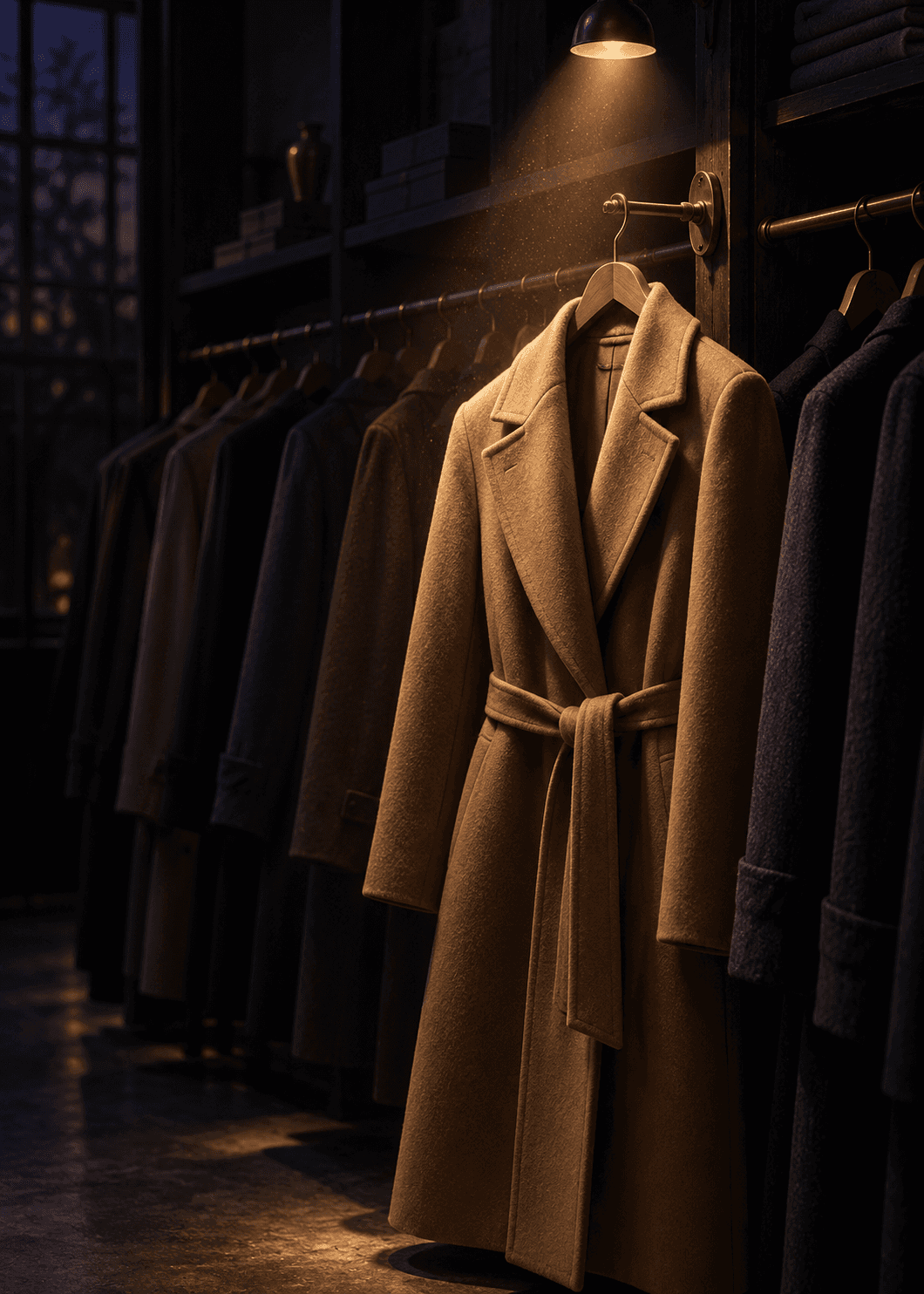
04
Sustainable fashion
The piece she buys is the piece she keeps.
Explore →

05
Accessories & jewellery
The third piece, placed where it belongs.
Explore →
industry-kids-fashion.png
06
Kids’ fashion
Every child, every size, one brief.
Explore →
industry-girls-fashion.png
07
Girls’ fashion
The look she will actually wear.
Explore →
industry-boys-fashion.png
08
Boys’ fashion
One shirt, and everything that goes with it.
Explore →
industry-indian-ethnic-fashion.png
09
Indian ethnic fashion
Every festival’s dress code, understood.
Explore →
[ 01 ]
the numbers
What does it do to the numbers?
[ ? ]
questions
Anything else, book twenty minutes and ask the founder directly.

Thirty days free. Live in under an hour. Measured against a holdout from day one.
No credit card · Cancel any time