New research guide: The Confidence Economy, how AI is changing fashion commerce.
[ 01 ]
the situation
What does this look like today?
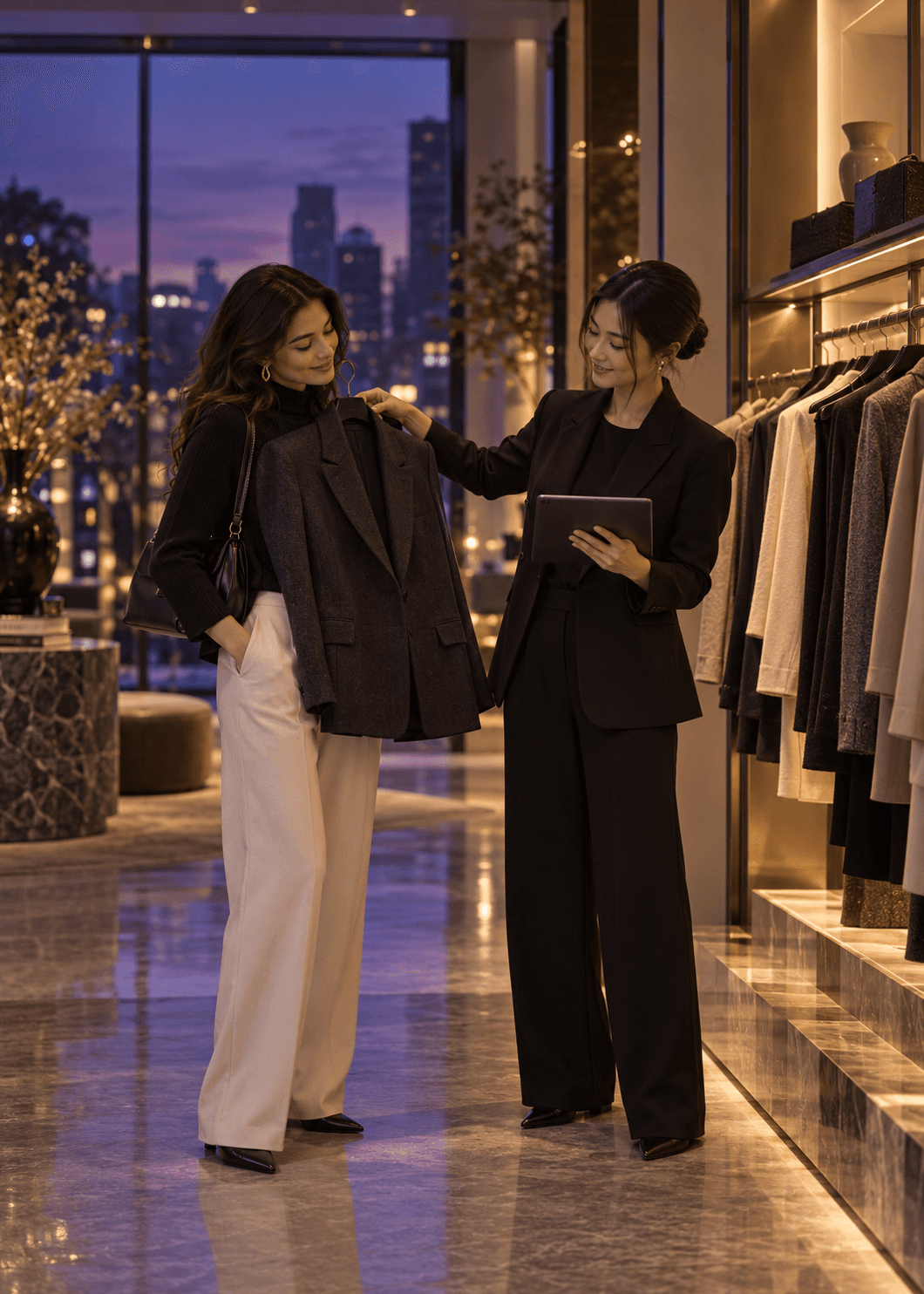
In store, conversion is many times higher than online because someone helps — but that someone can only see the rail in front of them. The coat that would finish the look is online-only, or in another store, and the sale stops at what is in reach. Meanwhile the shopper who leaves with a bag and no profile is a stranger again the next time she visits your site.
[ 02 ]
the shopper’s side
What does the shopper experience?
01
The floor
The associate opens Elara on a tablet with the shopper beside her.
02
The brief
“A dinner on Friday, she likes the camel coat.”
03
The look
Built from the store’s rail plus online and other-store stock; one piece ships to her door.
04
The follow
The look is saved to her profile; next week the website already knows her.
[ 03 ]
what elara does
How does Elara solve it?

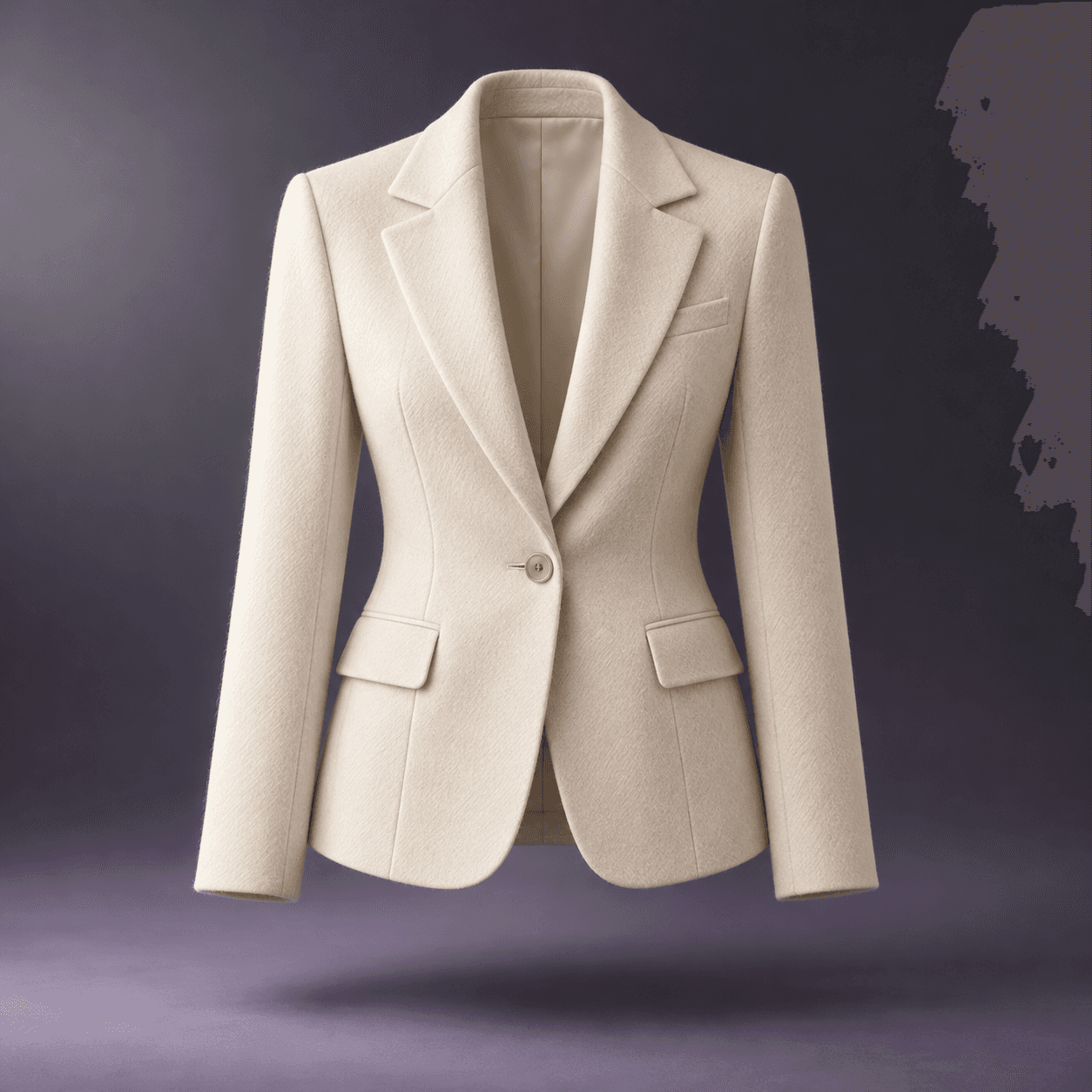
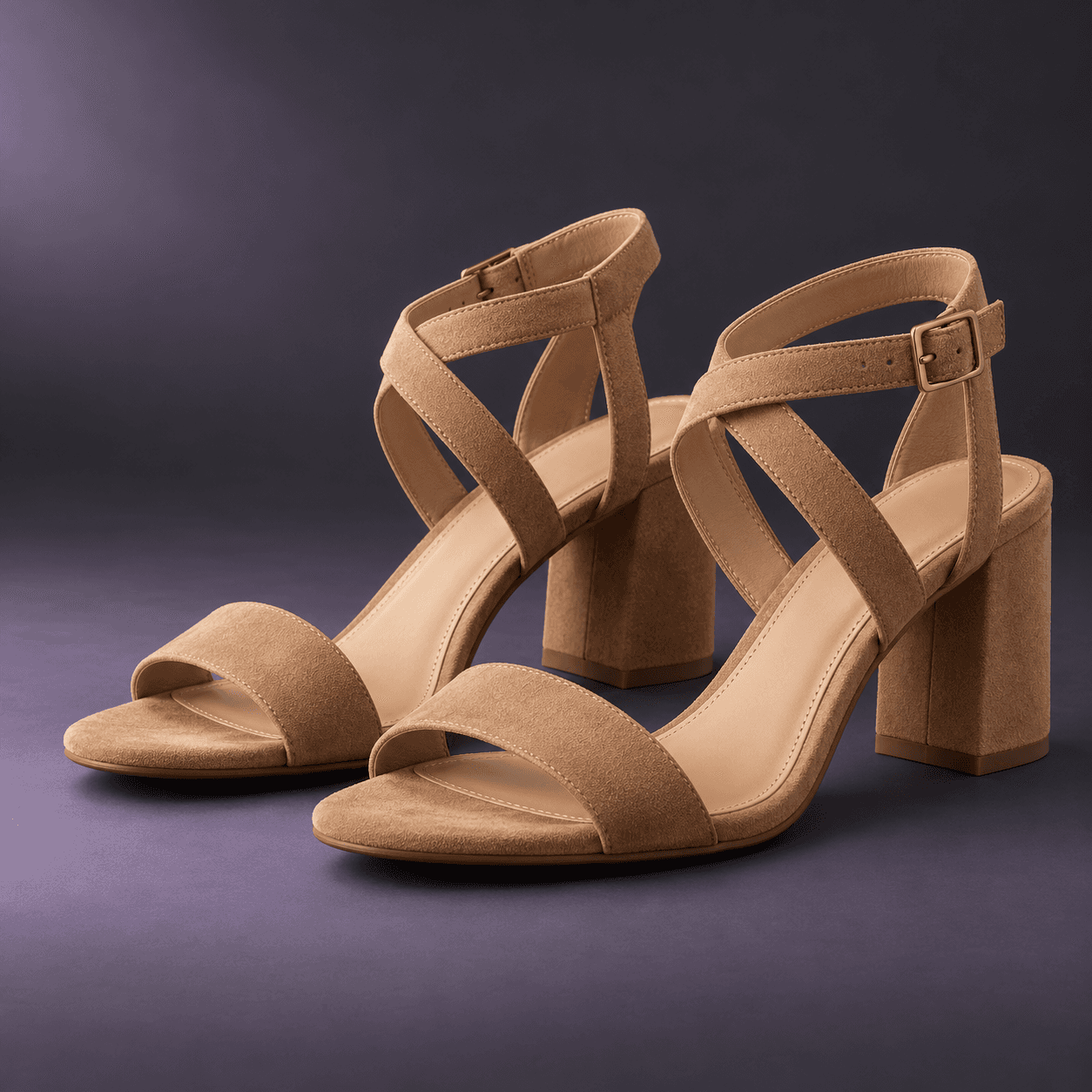
Everything above ships in the same widget
[ 04 ]
the number
What does it do to the numbers?
The gap between in-store and online conversion is the clearest evidence that help sells. In store, the associate is the help — but only for what is on the rail in front of them. Giving every associate the whole catalog, every location’s stock and the shopper’s online history lets the store sell what the shopper actually needs, and lets the website remember her afterwards.
[ 05 ]
what it replaces
What are brands doing instead?
[ 06 ]
who it is for
Which brands get the most from it?
Brands with stores and Shopify POS, pop-ups, showrooms and appointment-led retail.
SHOPIFY POS
MULTI-LOCATION STOCK
APPOINTMENT RETAIL
[ 07 ]
proof in 30 days
How would I test it?
01
Day 1 — install, sync, write the opener.
Four lines or the Shopify app. The catalog syncs within the hour; the opener is set in Widget Studio.
02
Days 2–30 — run it against a holdout.
10–20% of sessions never see Elara. Nothing else on the store changes.
03
Day 30 — read the report.
The number to watch: units per transaction in assisted store sessions, and online repeat rate for shoppers first styled in store.
[ ? ]
questions
Anything else, book twenty minutes and ask the founder directly.
[ 08 ]
go deeper
Go deeper
How AI styling recreates the in-store experience
From the shop floor to the product page, and back.
Shopify POS and your online store, together
Running stores and the website as one business.
Outfit merchandising
Glossary: merchandising the look, not the item.
See also · Repeat purchases
Your best customer gets the same store as a stranger. Every visit starts at zero.
See also · Complete the look
A dress sells a dress. Nobody on your site sells the blazer that goes with it.

Thirty days free. Live in under an hour. Measured against a holdout from day one.
No credit card · Cancel any time