New research guide: The Confidence Economy, how AI is changing fashion commerce.

[ 01 ]
the situation
What does this look like today?
Your shopper has a date in the calendar and a budget in mind. She types “wedding guest” and gets 140 dresses sorted by newest. She opens six tabs, compares, hesitates, and leaves to ask a friend — or ChatGPT. Online fashion converts at 1–3% while the same shopper in a good store converts many times higher, because someone asked what the occasion was.
[ 02 ]
the shopper’s side
What does the shopper experience?
01
The brief
“Garden wedding in June, under $900, size 8.”
02
The brief, filled
Occasion, budget, weather, dress code, size — two of them inferred.
03
The look
Dress, layer, shoes, bag: in stock, in size, with a running total.
04
The bag
Seen on her in the try-on, then the whole look to checkout.
[ 03 ]
what elara does
How does Elara solve it?
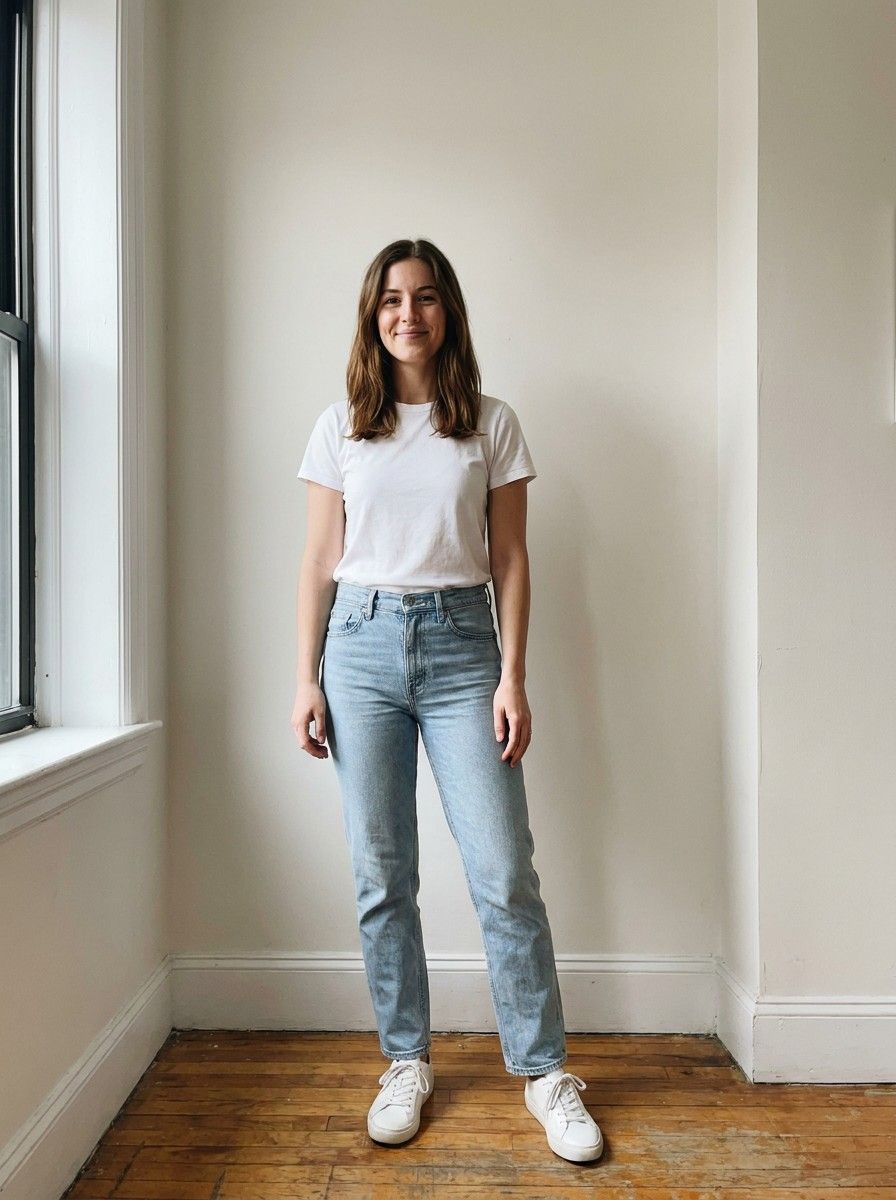
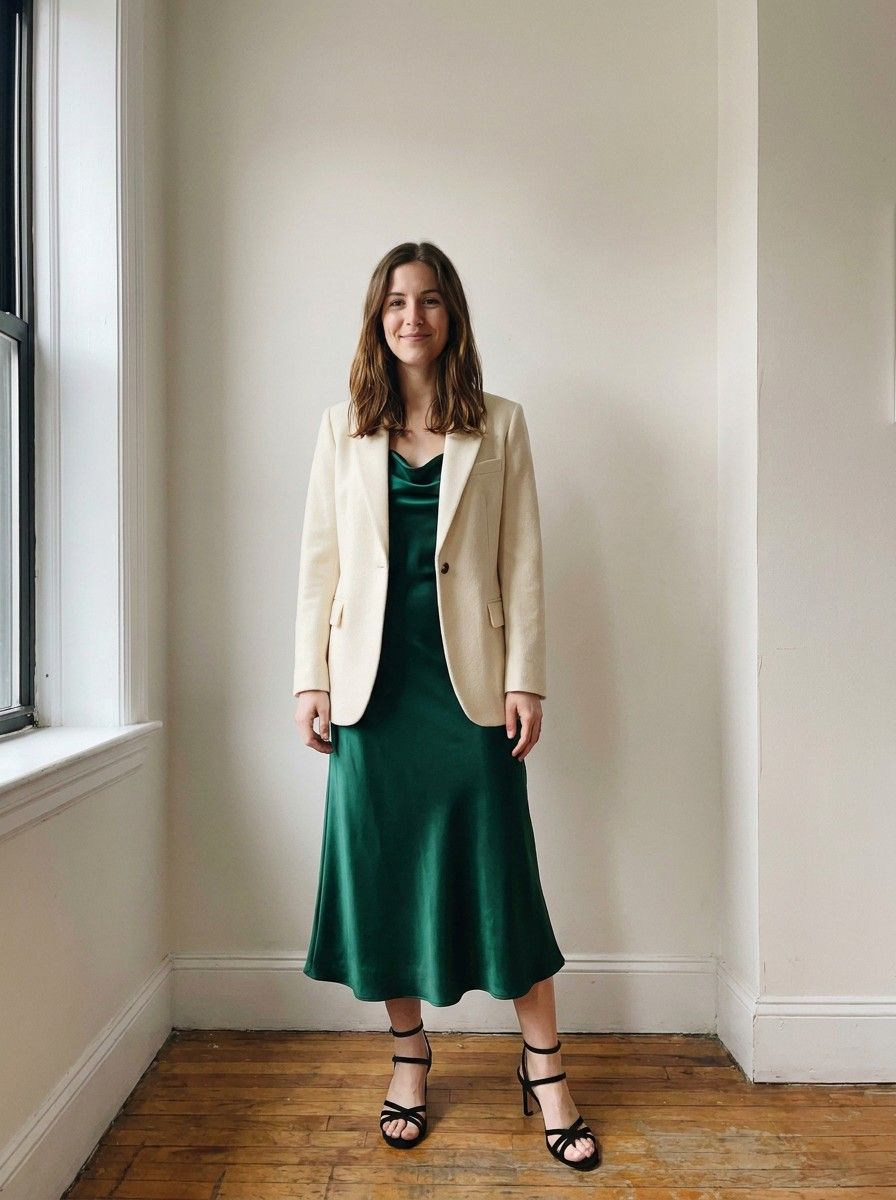
Everything above ships in the same widget
[ 04 ]
the number
What does it do to the numbers?
Online fashion conversion rates typically sit in the 1–3% range, according to the industry benchmarks in our stats post. A shopper with an occasion in mind is the most motivated visitor you have, and the one a results grid serves worst. Turning her sentence into a complete look is how the same visit converts like a good store appointment rather than a browse.
[ 05 ]
what it replaces
What are brands doing instead?
[ 06 ]
who it is for
Which brands get the most from it?
Occasionwear, bridal-guest, resort and festive categories; brands whose search logs are full of events.
OCCASIONWEAR · RESORT · FESTIVE
200+ SKUS
“WEDDING” IN SEARCH LOGS
[ 07 ]
proof in 30 days
How would I test it?
01
Day 1 — install, sync, write the opener.
Four lines or the Shopify app. The catalog syncs within the hour; the opener is set in Widget Studio.
02
Days 2–30 — run it against a holdout.
10–20% of sessions never see Elara. Nothing else on the store changes.
03
Day 30 — read the report.
The number to watch: conversion on sessions that contain an occasion.
[ ? ]
questions
Anything else, book twenty minutes and ask the founder directly.
[ 08 ]
go deeper
Go deeper
Occasion-based shopping: stores built for browsers, not buyers
Why shoppers arrive with a moment in mind and menus offer categories.
Occasion-based commerce
Glossary: selling against the event, not the product type.
Fashion product page checklist
Everything a product page needs before an occasion shopper lands on it.
See also · Complete the look
A dress sells a dress. Nobody on your site sells the blazer that goes with it.
See also · Reduce returns
Most returns are not a logistics problem. They are a decision that was made without enough information.

Thirty days free. Live in under an hour. Measured against a holdout from day one.
No credit card · Cancel any time