New research guide: The Confidence Economy, how AI is changing fashion commerce.
[ 01 ]
the situation
What does this look like today?
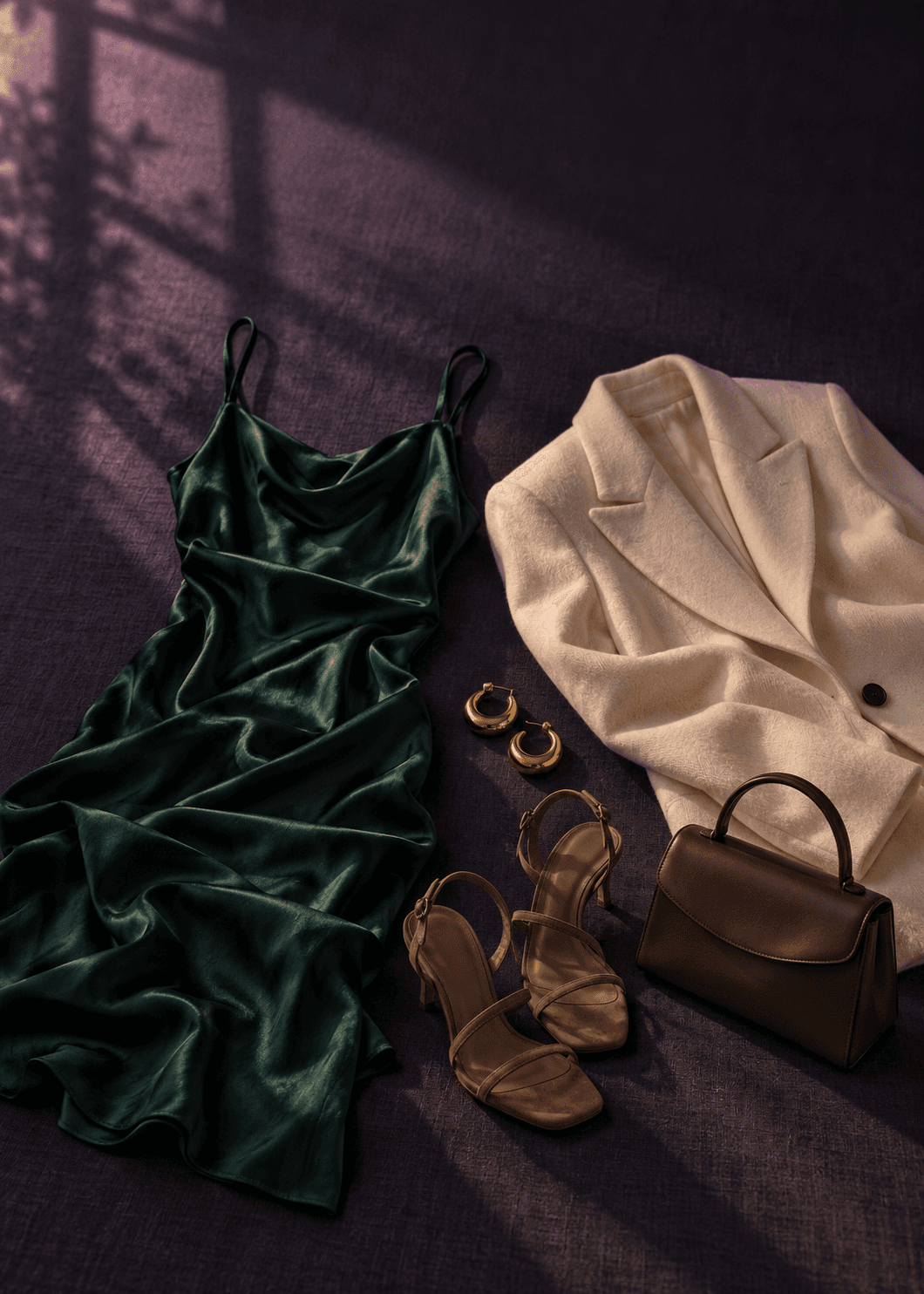
Your average order is one item, and “you might also like” shows four more dresses. The shopper who was about to buy one thing leaves with one thing — or with nothing, because the decision got harder, not easier. Around 70% of carts are abandoned; most of them held a single item that never became an outfit.
[ 02 ]
the shopper’s side
What does the shopper experience?
01
The piece
She is on the silk slip dress, 40 seconds, size chart twice.
02
The offer
“Still deciding? I can build a full outfit around this piece.”
03
The look
Camel coat, slingbacks, top-handle bag, in her size, £1,000 total.
04
The bag
The set added in one tap; swap any slot without starting over.
[ 03 ]
what elara does
How does Elara solve it?

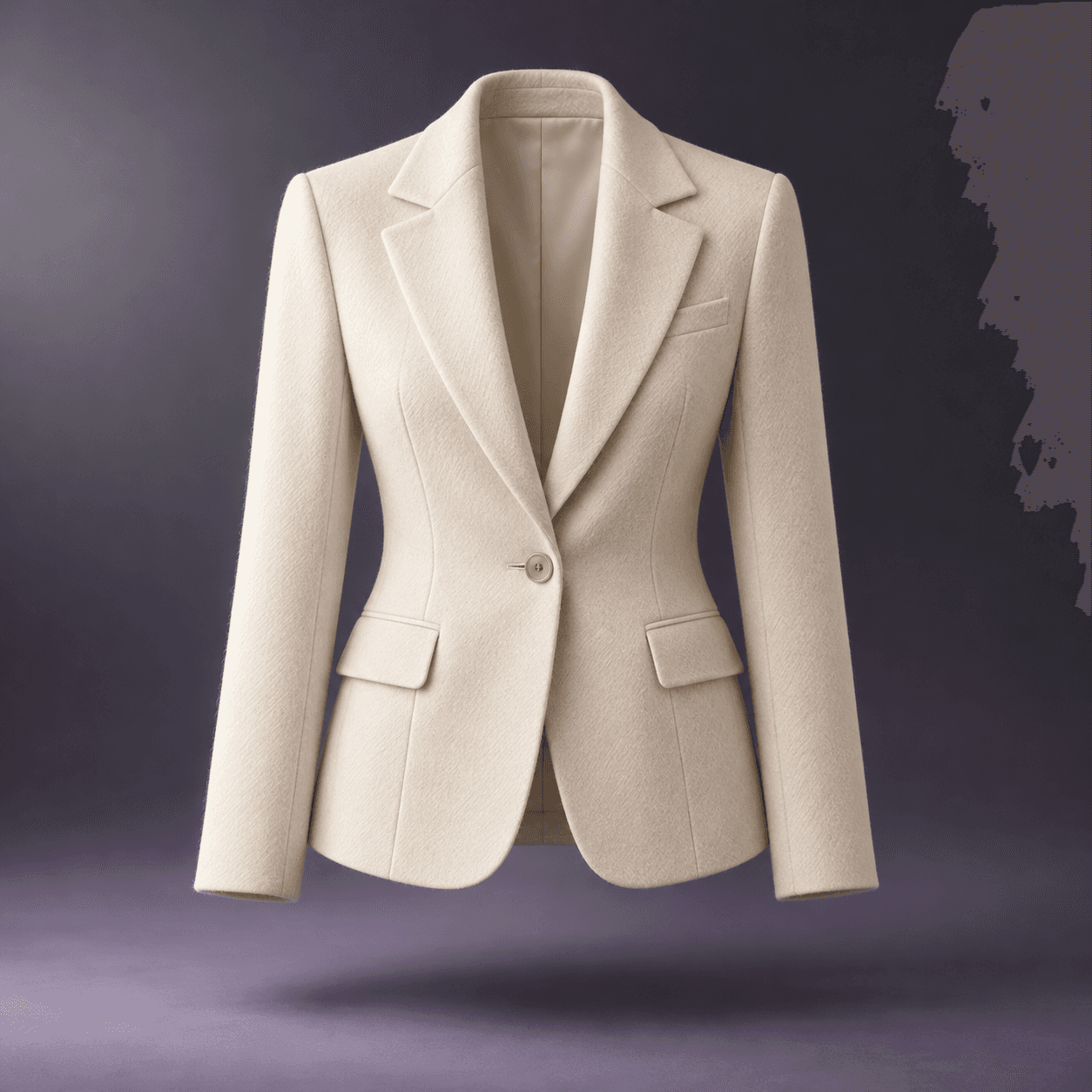
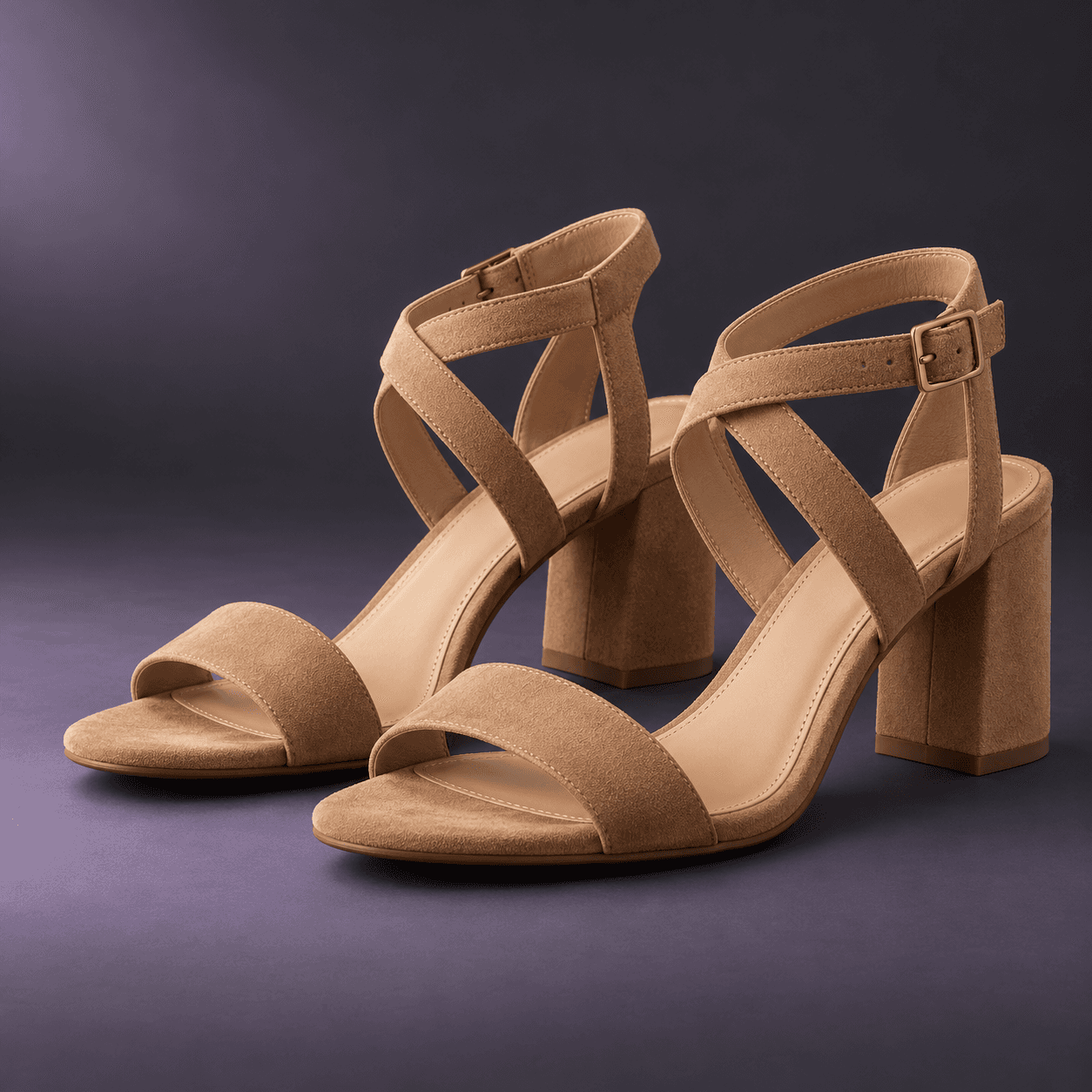
Everything above ships in the same widget
[ 04 ]
the number
What does it do to the numbers?
Baymard Institute puts the share of abandoned online carts at around 70%. Many of those carts hold a single item that never found its context — the dress without the layer, the shoes without the bag. Building the outfit around the piece already in view gives the shopper a reason to finish, and gives the order a second, third and fourth line.
[ 05 ]
what it replaces
What are brands doing instead?
[ 06 ]
who it is for
Which brands get the most from it?
Any brand whose items-per-order is stuck near one; strongest for separates, tailoring, footwear and accessories that need a context to sell.
SEPARATES · TAILORING · ACCESSORIES
ITEMS / ORDER < 1.5
PDP DWELL > 30S
[ 07 ]
proof in 30 days
How would I test it?
01
Day 1 — install, sync, write the opener.
Four lines or the Shopify app. The catalog syncs within the hour; the opener is set in Widget Studio.
02
Days 2–30 — run it against a holdout.
10–20% of sessions never see Elara. Nothing else on the store changes.
03
Day 30 — read the report.
The number to watch: items per session and AOV.
[ ? ]
questions
Anything else, book twenty minutes and ask the founder directly.
[ 08 ]
go deeper
Go deeper
Complete-look bundles and AOV in fashion
What happens to order value when the outfit, not the item, is the unit.
Why “You might also like” is killing your AOV
The case against more-of-the-same product rows.
Complete the look
Glossary: building the outfit around the piece in view.
See also · Occasion shopping
Every shopper who types an occasion into your search bar is telling you exactly what they need. Today the search bar returns a grid.
See also · Revive dead inventory
The piece that never gets searched for is often the piece that finishes the outfit.

Thirty days free. Live in under an hour. Measured against a holdout from day one.
No credit card · Cancel any time